The evolution of China’s upstream supply chain dominance

In 2019, Benchmark’s Simon Moores told the US Senate, “we are in the midst of a global battery arms race.”
Critical mineral mining and refining was emphasised as a key battleground in this race, with Moores saying “those that control these supply chains will hold the balance of industrial power for the 21st century in the auto and energy industries.”
Especially in critical mineral refining, this balance of power is heavily skewed towards China due to thescale of investmentat this critical point in the supply chain.
How has China’s dominance evolved since Moores’ speech? Are other countries gaining market share in the upstream? And, is the US still a “bystander” as Moores said in 2019?

China gains ground domestically and internationally
Critical mineral supply chains are highly-concentrated within China. This trend has only continued since 2018, with China gaining ground in several minerals.
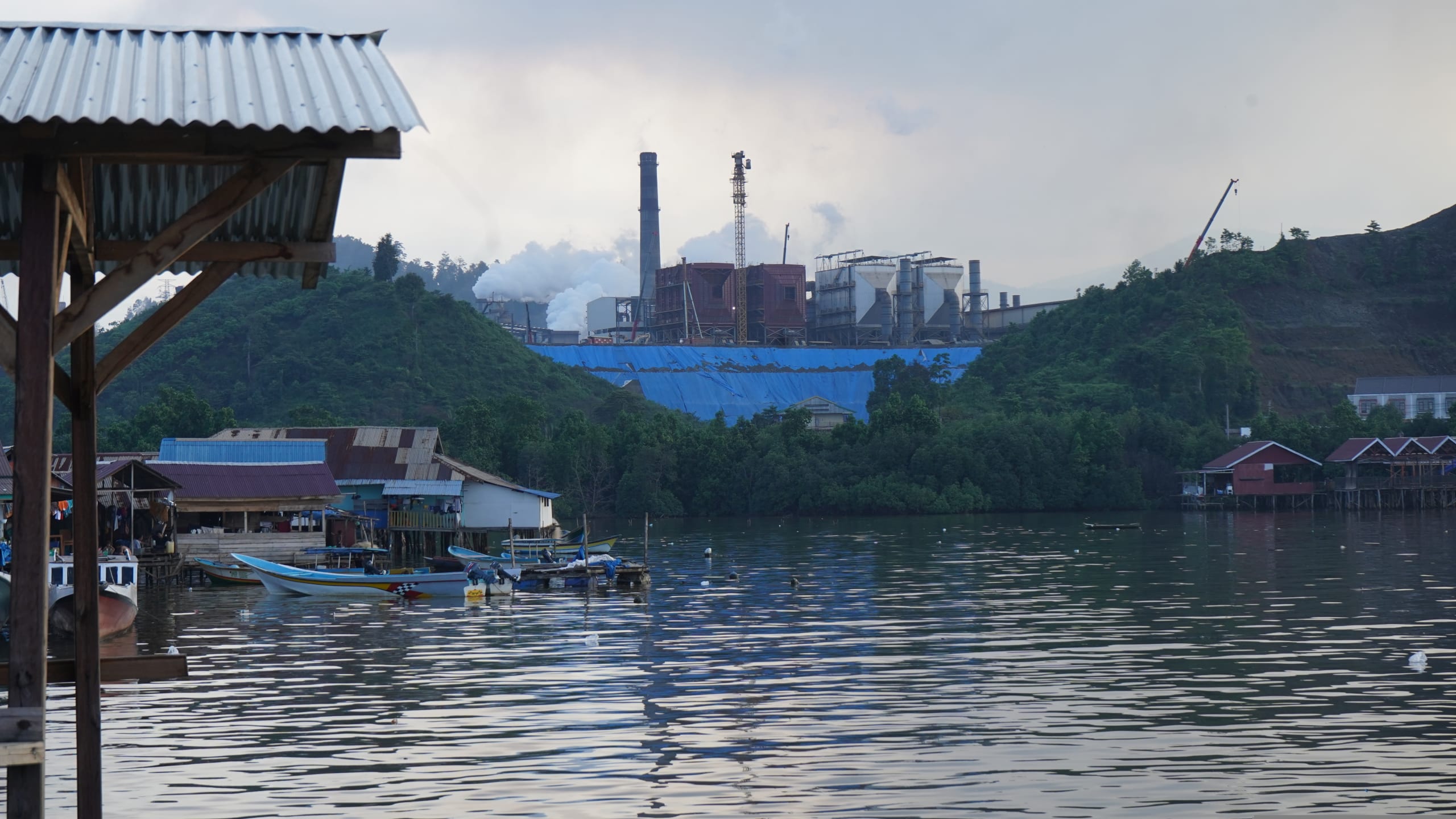
One area in which domestic production has lost significant market share is nickel refining, in which the country dropped 16 percentage points between 2019 and 2025, partly due to Indonesia banning nickel ore exports.
In response, China invested heavily inIndonesia’s nickel sector.
China has also invested heavily in cobalt mines in the Democratic Republic of the Congo.
Is the US still a bystander?
Across battery raw material markets, the US accounts for just 0–2% of global mined and refined supply.
However, aUS success story can be found in rare earths, a key family of elements for electric vehicle motors and defence applications.
To learn more about Benchmark’s services across the whole supply chain from mine to grid, fill out the form below and one of the team will be in touch.
 >
>  >
>  >
>  >
>  >
>  >
>  >
>  >
>