US and Australia sign landmark Critical Minerals Framework

US President Trump and Australian Prime Minister Anthony Albanese have signed a landmark Critical Minerals Framework to bolster both nations’ access to rare earths and other critical minerals, in an effort to counter China’s dominance over strategically important supply chains.
The framework indicates that the two governments will utilise a range of policy instruments to strengthen supply chains, including strategic stockpiling, price-support mechanisms, permitting reforms, and financing through direct equity investments or loans. It also includes measures to curb China’s acquisition of critical mineral assets, both in domestic markets and in third-party countries.
Although details of the pact remain limited, the US and Australia have each agreed to invest at least $1bn over the next six months to fast-track project development. This includes a $200m equity investment in a West Australian gallium plant and $100m stake in Arafura Rare Earths’ Nolans mine. Prime Minister Albanese suggested that Australia has a pipeline of projects worth ~$8.5bn “ready to go.”
US intervention in critical mineral markets has accelerated since China imposed export controls on rare earth elements that underpin key defence technologies in response to US tariffs. Last week, Beijing announced it would escalate controls on rare earths and associated technologies – covering Chinese intellectual property – as well as lithium ion batteries, cathode active materials (CAM), and anode active materials (AAM).
In a separate announcement, the US Export-Import Bank – the US government’s export credit agency – issued seven letters of interest worth more than $2.2bn to support critical minerals projects in Australia. Letters went to Arafura Rare Earths, Northern Minerals, Graphinex, Latrobe Magnesium, RZ Resources, and Sunrise Energy Metals.
Price-support mechanisms could underpin US–Australia agreement
China-led low-price environments across critical mineral markets are hampering Western efforts to strengthen supply security, as challenging market conditions make it difficult to attract the capital required to fund project development.
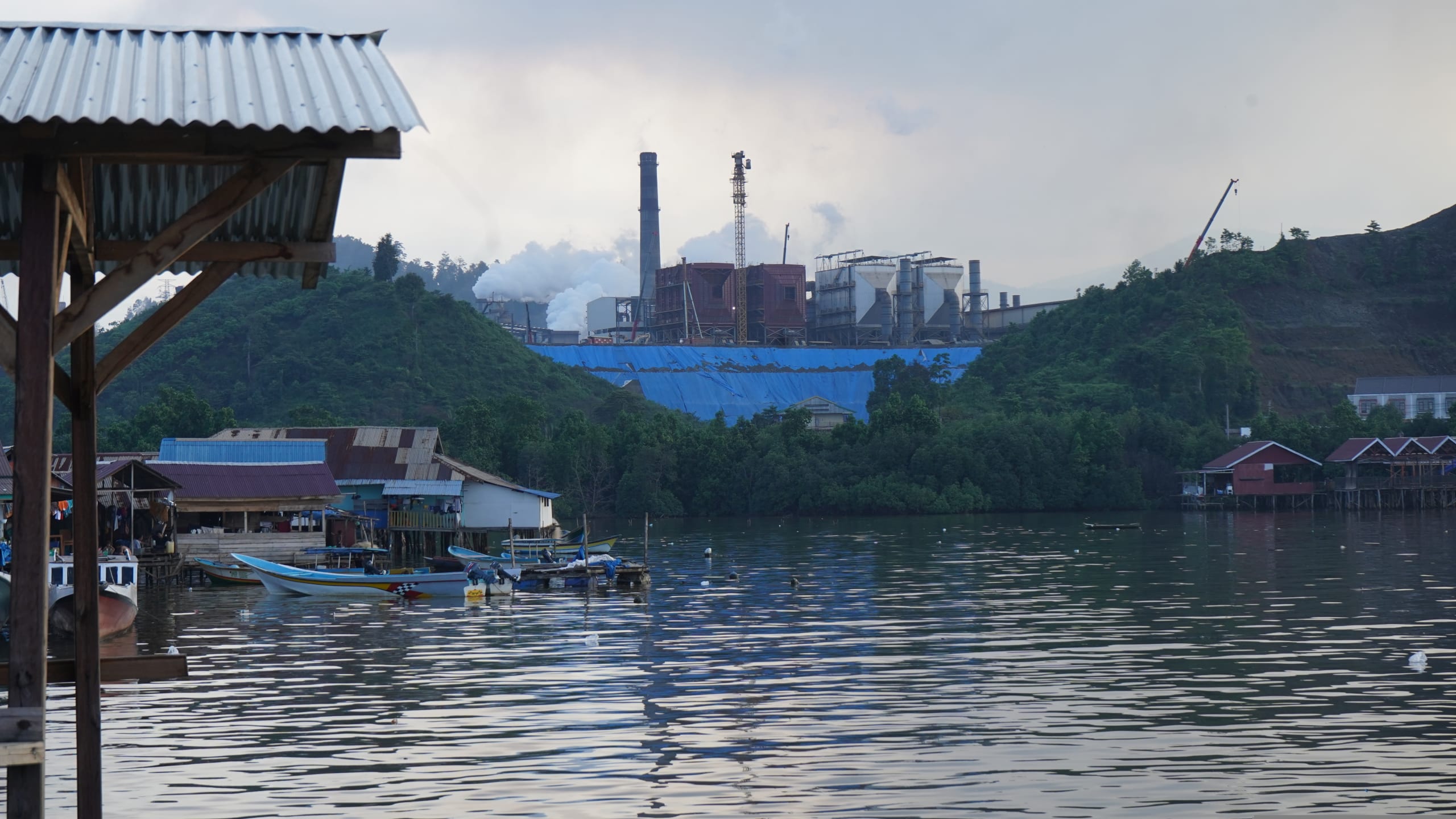
Notably, weakened nickel prices since 2023 have led to a series of closures in the Australian nickel industry, resulting in the loss of more than 70% of the country’s annual output between 2023–25, according to the Benchmark Nickel Forecast. This includes the closure of Australia’s largest nickel mining and refining complex, BHP Nickel West.
The US set a precedent for minimum price floors – under which the government covers the difference once market prices fall below a defined threshold – as part of its investment in MP Materials earlier this year; a move that sent strong price signals to the wider ex-China rare earths market. Such mechanisms help to improve the bankability of projects by providing visibility on future revenues, making them more economically attractive to investors.
G7 countries and the European Union are reportedly considering extending the MP Materials blueprint to support project development more broadly, as they seek to fast track their own supply security ambitions.
The diversification of rare earths supply chains will take centre stage across a number of sessions at Benchmark Week 2025. Join us to gain expert insights from market leaders from the International Seabed Authority, U.S. Department of the Interior, MP Materials, and more.View the agenda.

 >
>  >
>  >
>  >
>  >
>  >
>  >
>  >
>