What impact is the DRC’s extended export ban having on cobalt market dynamics?
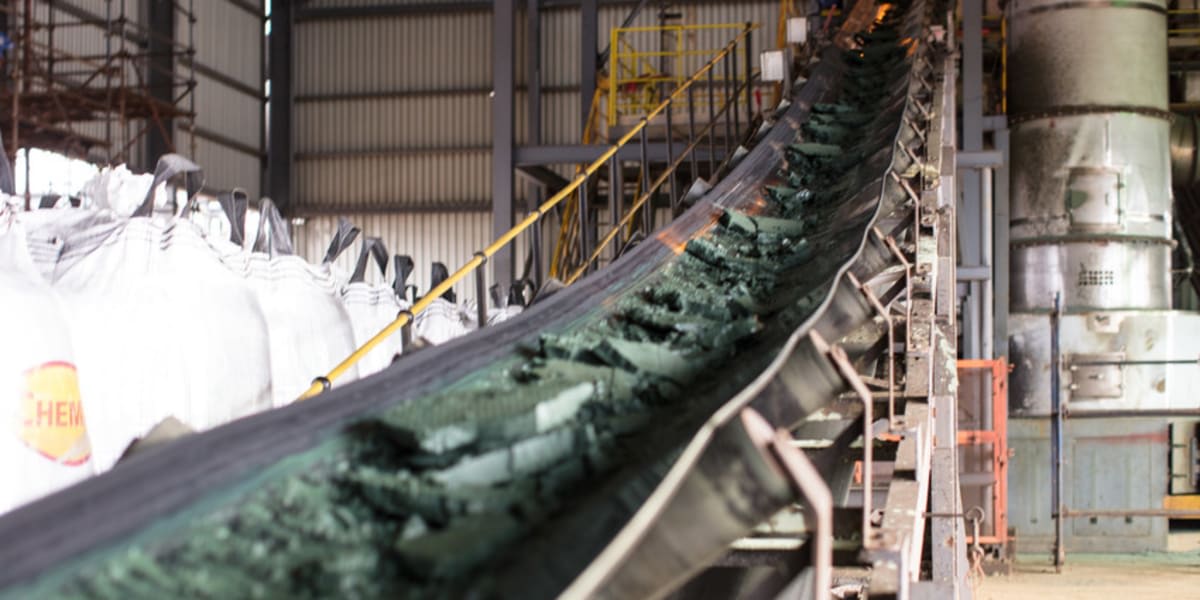
The cobalt market is coming to terms with a new reality following theDRC’s decision to extend its ban on cobalt exports in June until at least September. Whilst the ban has been in place since late February – after which the market saw an immediate step-change in pricing – the impact on China’s cobalt hydroxide imports is just now becoming visible.
China’s cobalt hydroxide imports slump in June
Transportation times between the DRC and China run at around three to four months. This means that although the February ban had an immediate impact on pricing, it did not have an immediate material impact on supply availability.
Despite this, theBenchmark Cobalt Price Assessmentnotes market liquidity has been limited since late February as DRC-based miners focused on supplying long-term contracts (primarily in China) over spot market sales, ahead of the anticipated drop off in supply availability.
Several industrial miners in the DRC have recently declared force majeure on supply contracts, including the three largest miners (or their trading arms). This included IXM – the trading arm of CMOC, the largest cobalt miner in the DRC – following confirmation of the ban’s three month extension in June.
Nevertheless, Benchmark understands these miners to have several months’ worth of stocks located outside the DRC from which to draw, although African warehouses are now thought to be empty of cobalt.
China’s customs data shows that cobalt hydroxide imports were relatively flat between February and May, but fell by 61% m-o-m in June and are expected to drop further in July – demonstrating the delayed impact of the ban on supply.
With market activity limited, cobalt hydroxide prices are receiving upside support through rising offers and bullish market sentiment, amidst an anticipated tightening of supply in the latter half of the year.
But prices are not moving uniformly across the cobalt complex: cobalt hydroxide prices were assessed to be up over 100% on a year-on-year basis in early August, compared with a ~45% increase in cobalt metal prices.
Delta between cobalt metal and hydroxide narrows
Following the ban’s extension in June, a narrowing of the traditional delta between cobalt metal and hydroxide pricing is being observed – falling from ~$4.50/lb in mid-June to ~$2.70/lb by early August.
As hydroxide prices continue to outpace cobalt metal, Benchmark notes that cobalt metal may briefly supplant hydroxide as the most economical feedstock for cobalt battery chemicals.
Indeed, Benchmark received reports in early August that several smaller cobalt sulphate refiners in China had begun making enquiries with metal producers to secure units, in anticipation of this threshold being met over the coming months. This comes amidst reports of some Chinese sulphate producers shuttering production, under pressure from rising feedstock costs.
However, Benchmark notes this in turn would likely result in metal prices correcting upwards – widening the delta between the two cobalt products once again.
Will the DRC choose to end or extend the cobalt export ban in September? Join our webinar for a debrief on the outcome and its implications:Unpacking the DRC’s Cobalt Export Ban Decision: End or Extend?
Tuesday 23 September, 09:00 and 15:00 (GMT+1)Register here
 >
>  >
>  >
>  >
>  >
>  >
>  >
>  >
>