“Ultimately, it’s about making sure that we keep real jobs here in Europe.” Q&A with the EU’s Peter Handley

Last year the European Union introduced theCritical Raw Materials Act, the bloc’s first piece of legislation designed to boost supplies of critical minerals.
Over the past year the EU has also signed strategic partnership agreements on raw materials with multiple countries, including Namibia, the Democratic Republic of Congo, and – most recently – with Greenland.
The EU has also relaxedstate aid rulesto give governments more leeway to fund clean energy investments.
Benchmark Source sat down with Peter Handley, head of unit for energy-intensive industries and raw materialsat the European Commission, to learn more.
What can we expect this year from the CRMA and the implementation?
The European Critical Raw Materials Act, which we proposed on 16th of March 2023, now has political agreement from the European Parliament and the Council of the European Union. There are a few formal steps to go through before formal adoption, publication in the EU’s Official Journal and entry into force.
We don’t have a specific date for that, because it depends on things beyond our control. But we think it’ll enter into force around Easter time this year. So just over a year after we proposed it, which is incredibly fast.
There’s a whole raft of provisions andtasksset out in the Act. But the vehicle, the governance body, for many of these is the Critical Raw Materials Board.
So one of the first things we will do is to establish this board, where every Member State will have a seat at the table. It will be chaired by the Commission. And many of the functions involve either exchange of information amongst experts or the board discussing and then issuing recommendations to the Commission so the Commission can then take decisions.
When can we expect the first “strategic projects” in the Act?
Look, I can’t give you a hard answer about where the first list of strategic projects will come out. What I will say is this, the European Parliament and the Council moved extremely fast in the negotiations last year because they consider it urgent to take action. So we can’t afford to sit on our hands. We’re going to push things forward as much as we can, because we also know that it’s not long until 2030. We need to start getting things out there to make a difference.
The priority is going to be setting up the process of collecting, assessing and recommending “strategic projects.” I wouldn’t be surprised if this Commission seeks to deliver a list before the end of its mandate. That’s the working assumption. But as I say it’s not set in stone.
How do you avoid the problem of trying to pick winners for these projects?
Well, because the Commission isn’t going to be picking these projects on its own. The Act says that strategic projects have to help us to move towards achieving our 2030 benchmarks for extraction, refining, recycling and external diversification. They have to be good projects, in terms of contributing to strategic technologies that we need: clean tech, digital tech, defence and aerospace. They have to be good in terms of environment, social governance, community involvement. Basically, they have to be good projects.
I would basically put it into three phases.
The upfront stage is informing everybody, developing the template and issuing the call for proposals – making it possible for promoters to apply.
Then when the Commission receives the applications, they will be checked for completeness, and bounced back if they’re not complete.
After that comes the technical assessment. Do they tick all the boxes in terms of what is set out in the Act? And the last step is presenting a roster of projects to the Board, so that it can discuss and issue a recommendation to the Commission.
We’ll be looking for a sensible first batch of projects that hits the sweet spots in terms of different points in the value chain, a good mix of strategic materials and a good geographical spread inside and outside the EU. Let’s not forget, we need to develop the EU’s own capabilities and diversify its external supply.

Strategic projects can be outside the EU, can you explain a bit about this, what are the limits?
It doesn’t have to be in a country where we already have a strategic critical raw materials partnership, but will depend on the quality of the projects and their relevance for the EU’s and third country’s shared interests.
Strategic projects outside the EU will benefit from a range of things.
Firstly, political de-risking with the third country authorities, bringing in our stakeholders, including European businesses that may be wanting to offtake, invest in projects, sell technology and services, provide advice on raising standards – there’s a whole bunch of things we can bring to the table.
And we can also deploy various European funding programmes and bring in the whole Global Gateway approach if it’s an emerging economy. We can bring in flanking actions – you want to do cleaner mining and processing but don’t have a stable energy infrastructure with renewables? Okay, we can address the infrastructure. You don’t have good logistics to get stuff to ports? We can discuss that. If you need help developing policies or skills, we can help with those things.
How will the plans for joint purchasing of minerals in the Act work and will it lower the costs?
Well, you have to look at joint purchasing as one of a number of measures in the Act to help bring supply and demand together. We say that it may be helpful to aggregate the demand of European companies because then we can go in with a bit more leverage and maybe get better conditions and access terms. And maybe it will make a difference in the project getting off the ground or not. If we go in with a request for 10,000 tonnes of something versus 2 million tonnes over 10 years we become a player.
The idea of aggregating demand is one element. And then another element is maybe we should provide a way where we can offer matchmaking around purchasing, which is what they’re doing quite successfully at the moment in natural gas … We have a provision in the Act, which is basically copy paste of the gas platform.
But we’re public officials, not commodity traders. We have to understand how the markets really work and involve experts. It’s all complicated by the fact that at the moment, certain commodity prices are crashing through the floor. You can say there’s no better time to buy stuff than when it’s dirt cheap. But what do you buy? At what price? Where are you going to store it? How are you going to insure it? Who’s going to bear the risk?
One of the criticisms of the Act is that there are no actual incentives for companies to use European mined or produced minerals – how do you respond to that?
I think it depends what kind of incentives you’re talking about. I mean, there is a new geo-economic logic, which is driving companies to think about reducing their risk exposure against supply chain disruptions.
This may lead them towards supporting the kind of projects we want to pull together to build up domestic capabilities or diversify externally.
We think also that we need some market incentives to encourage companies to want to buyclean, transparently and responsibly-sourced stuff, even if it costs a bit more per unit, because they can even that out in the number of units that they sell to the final customer, and they can put together a value proposition which is the steel is green, the copper is green, and the minerals used in the battery have a low emission footprint. We also think that green public procurement, looking at things other than the lowest cost, can also help us.
And the provisions that we put in place in the article called “company risk preparedness” are also designed to get downstream user companies who are involved in clean tech, digital, defence and aerospace, to regularly assess their security of supply vulnerabilities and present this to their board, together with actions to mitigate serious risks. These can include investments, offtakes or building longer inventories, to reduce the risk of going out of business because they can’t get the stuff they need to make their products.
Should Europe create a critical raw materials Sovereignty Fund?
The Commission already came out with its thinking of it as part of the Green Deal Industrial Plan. Member States understand the importance of European companies investing in clean tech and resilient and sustainable supply chains. They also realise that not every country can afford to use State aid, but there are limits on their readiness to increase European funding just now.
What other EU raw material agreements can we expect with other countries?
What’s coming down the road imminently is Norway. We’ve finalised the negotiations and gearing towards signing that one. We’re also in the middle of negotiations with Australia. And we’ve just launched negotiations with Uzbekistan, our second Central Asian country. There’s going to be a lot of outreach towards Latin America to follow up on the agreements we reached last year and also to reach out to additional countries in that important region.
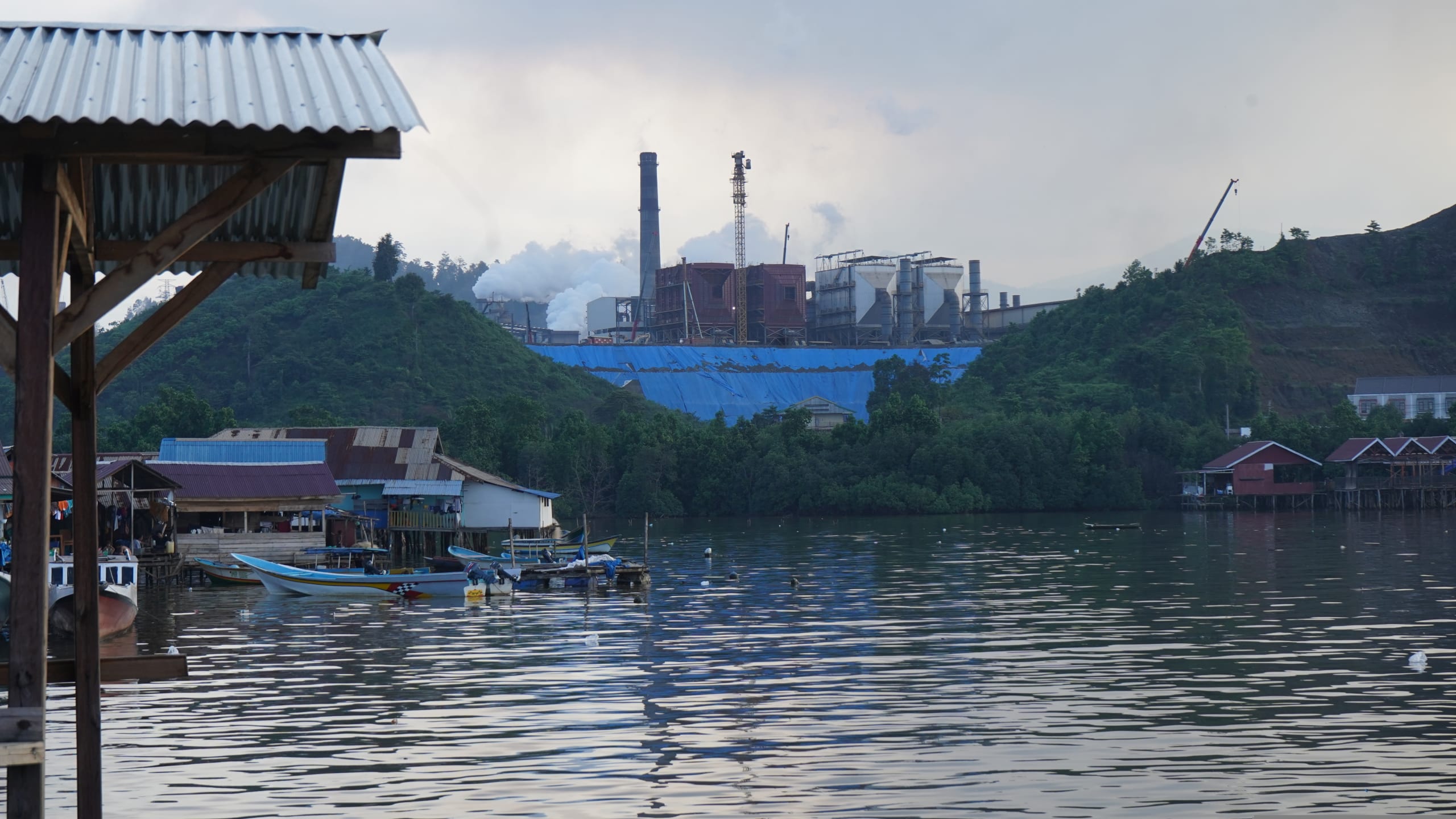
We have ongoing free trade agreement negotiations with Indonesia, which include an energy and raw materials chapter. We have not proposed a strategic partnership from the European side to Indonesia, nor have they proposed one to us. But what we say to any country is our door is always open to talk about strategic projects .
Are you hopeful about mining in Europe? We’ve seen problems in Serbia, in Portugal for example.
All the efforts we’ve done over the last two years are explaining why all this stuff is important. And ultimately, it’s about making sure that we keep real jobs here in Europe and don’t become a de-industrialised part of the world entirely dependent on goods and products coming from outside or relying on products made in a way that is far less good for the environment or for the climate than if we made it here.
Let’s not forget that we have to have a viable economy, because without a viable economy, society is not going to be happy. So am I confident that a new mine will open every day? No, but I think discourse can change that. I think the political authorities appreciate just what’s at stake and I think companies understand that we’ll support them provided they do things right: engage seriously with local communities, explain the economic and job benefits and sustainable infrastructure developments. Explain what’s going to happen when the mine comes to the end of its life.
 >
>  >
>  >
>  >
>  >
>  >
>  >
>  >
>