GM’s Kurt Kelty says Ultium battery “production issues are behind us”
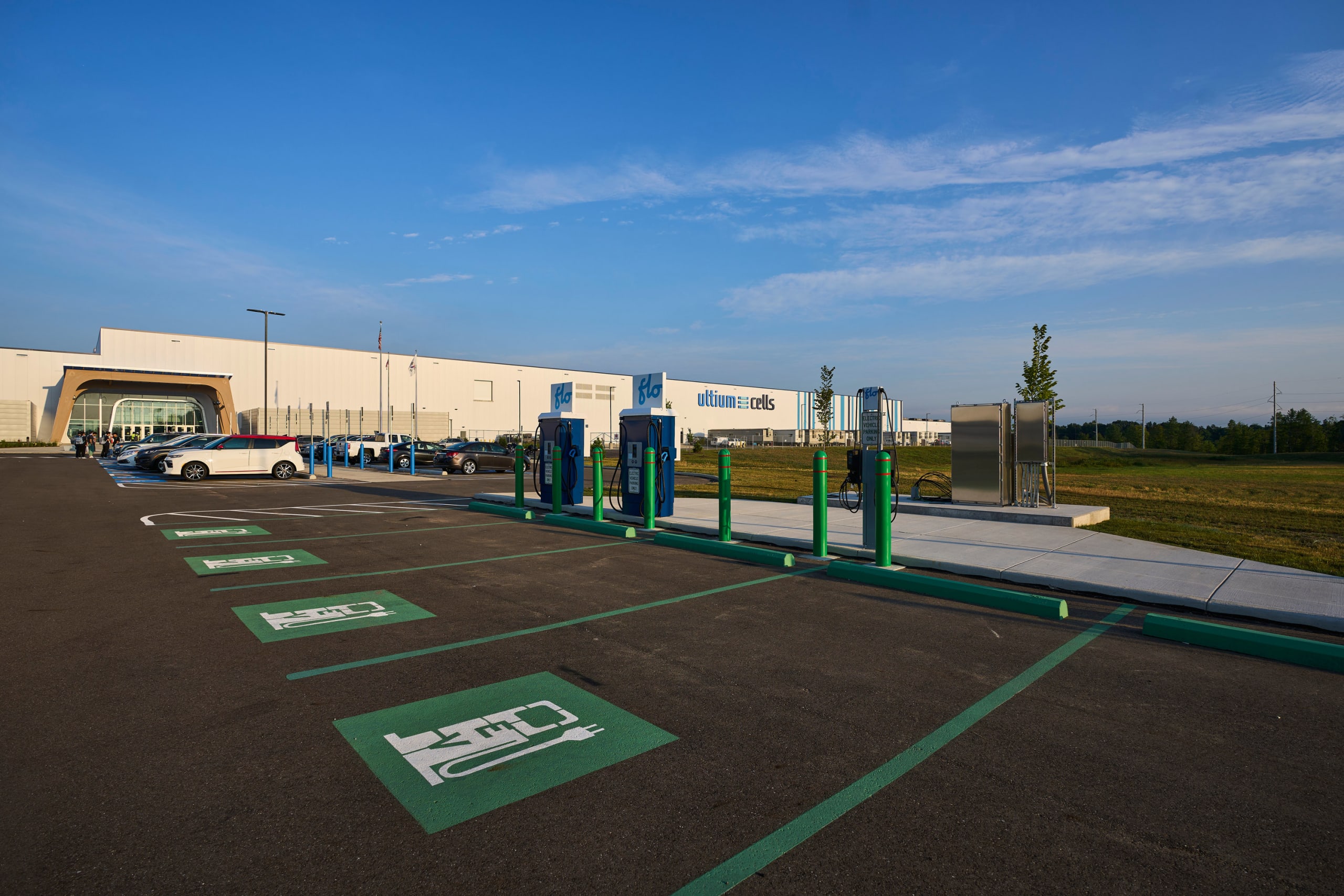
General Motors has resolved production issues at its Ultium battery joint venture, Kurt Kelty, vice president of batteries at the Detroit automaker, toldBenchmark Source.
The company’s Ultium partnership with Korea’s LG Energy Solution suffered issues in assembling battery modules but they have now been resolved, he said.
“The production issues are behind us,”he said. “I know there were a lot of production issues at GM but this year both on the module and the vehicles we’re doing much better this year.”
GM launched the Ultium JV with LG in March 2020 and the two companies have already built two battery plants in Ohio and Tennessee. A third plant is under construction in Michigan, though reports say that its completion may be postponed due to weaker-than-expected electric vehicle demand.
Battery production at the joint venture is set to increase from around 19 gigawatt-hours in 2025 to over 100 GWh by the end of the decade, according to Benchmark’sLithium ion Batteries Forecast.
Kelty said he had visited battery manufacturers in China and that Ultium had better production yields than Chinese companies.
The JV’s first plant in Ohio is now producing nearly 100 million cells, he said.
Production at Tennessee has been ramped up and has hit end-of-year targets on yield, he said.
“We’re hitting it out of the park right now,” he said.
Watch this exclusive interview with Kurt Kelty, Vice President of Batteries, General Motors. View more Power Players videoshere.
Future battery technology
The Ultium JV currently produces high nickel NCMA (nickel, cobalt, manganese, and aluminium) cells.
Kelty said that the high energy density of the cells were suitable for GM’s vehicles. It also reduced cobalt usage.
But he agreed that cheaper lithium iron phosphate cells would also be needed in the US, without specifying GM’s strategy for using LFP.
Kelty, who previously worked for silicon startup Sila Nanotechnologies, said that adding silicon would increase the energy density of GM’s by some 20 percent.
On solid-state batteries, Kelty said he didn’t think they would be in cars until “quite a bit later” than the end of the decade, although semi solid state batteries would be in vehicles earlier.
Sourcing in North America
Kelty said that it would be possible to source all the battery materials from North America if the company thought “creatively.” Adding silicon to the anode would also reduce demand for materials produced in China such as graphite, he said.
Automakers needed to include the “hidden costs” of relying on overseas supply chains, including carbon emissions and logistics costs, he said.
“When you ship a product it’s on the water for roughly five weeks,” he said.
GM has signed a number of off-take agreements and made investments to secure supplies of critical raw materials.
“There’s nothing that we can’t fundamentally source in North America,” he said. “We should be able to get it all here.”
To request a free trial for Benchmark Source and explore our wealth of supply chain news and analysis, please provide your details below:
 >
>  >
>  >
>  >
>  >
>  >
>  >
>  >
>