Chinese cobalt sulphate stagnation continues as prices stay flat for six straight weeks

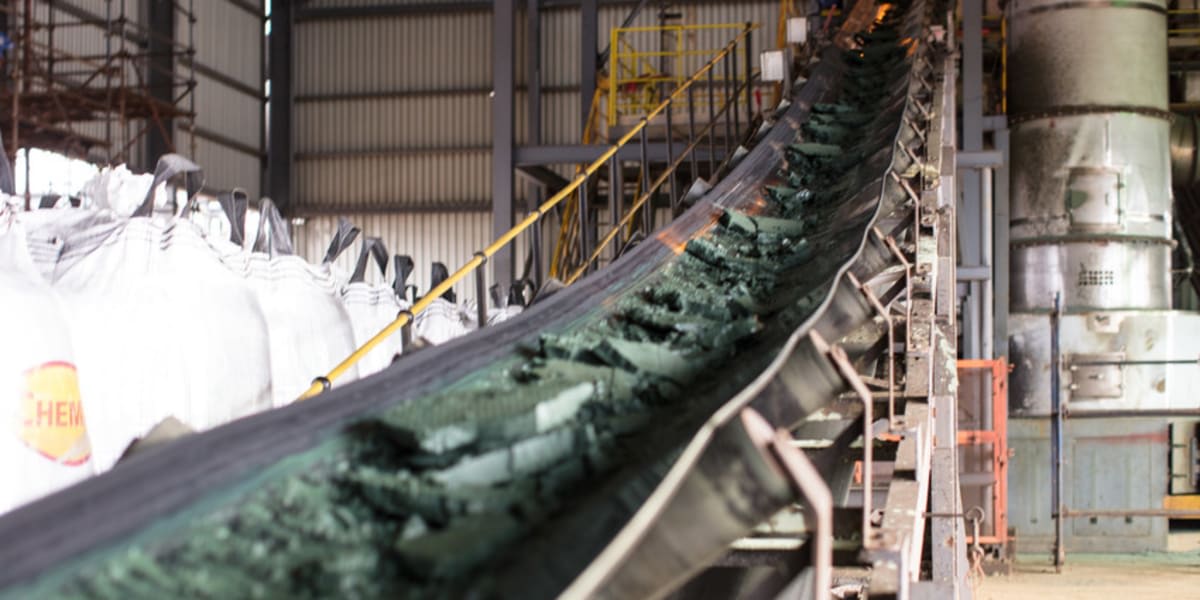
Chinese cobalt sulphate prices stayed flat for the sixth straight week in late August after staging a slight recovery from the lowest levelsover seven yearsseen a little over a month ago.
The brief pause in price decline comes as producers resist lower bids amid a supply surplus, despite relatively weak demand for nickel cobalt manganese (NCM)cathodesused in electric vehicle batteries.
Spotpricesfor Chinese cobalt sulphate prices remained flat at RMB 28,000 ($3,920) per tonne for the assessment period ended August 22, according to theBenchmark Cobalt Price Assessment. Despite this brief pause, Chinese cobalt sulphate prices are still down 13.2% so far this year.
Has cobalt reached its floor?
Prices are however expected to decline further as offers for RMB 30,000 ($4,170) per tonne in early August failed to gain any traction.
“The current price trend strongly suggests that cobalt sulphate isclose to the perceived floor. At the current price, cobalt sulphate refiners are facing significant pressure on margins, however, the minimal demand leaves little options for these producers,” said Roman Aubry, analyst at Benchmark.
According to Aubry, sellers typically see seasonal demand wane in the third quarter. However, as more and more cobalt refineries reach unprofitability, sellers are adopting a level of price discipline in an effort to wrestle control of the market trend, which currently favours buyers.
The global cobalt surplus is expected to be about 8,000 tonnes this year and persist until 2027 before entering an era of deficit, according to theBenchmark Cobalt Forecast. Despite the near term oversupply, battery demand for cobalt is forecast to grow 17% this year, from just 1% in 2023.

Marginal increase in feedstock price
Prices for cobalt hydroxide, the most commonly traded cobalt feedstock material, recovered marginally during the assessment period ended August 22 after hitting the lowest levels since January 2021 last week. CIF Asia cobalt hydroxide prices increased 0.8% to $6.30 per pound ($13,889 per tonne) but are still down 8.7% so far this year, according to theBenchmark Cobalt Price Assessment.
Lower cobalt hydroxide prices have however brought some relief to refiners who have been struggling with a persistent period of weak pricing for their sulphate products.
Further, amid low prices, Glencore said last week it has stopped stockpiling cobalt hydroxide, a move it made in August last year to support prices. Glencore’s decision could further lift the cobalt hydroxide glut. The company however said it will produce between 35,000 to 40,000 tonnes of cobalt this year from its Katanga and Mutanda assets.
“Cobalt at the moment is certainly structurally oversupplied, particularly out of the growth in supply from Tenke and Kisanfu in the Democratic Republic of Congo (DRC). But the demand side looks pleasing. All three buckets of demand, aerospace and defence, EV and home user goods, all are looking very good,” Gary Nagle, CEO, Glencore, told analysts in a post earnings call on August 7.
China’s top cobalt producer CMOC is set to increase production this year at its two DRC mines – Kisanfu and Tenke Fungurume.
“While demand is quite robust, supply has kept pace and made it difficult for prices to recover as stock levels are higher than Benchmark has ever recorded,” said Aubry.
Cobalt oxide prices move lower as stockpiling season ends
The prices for Chinese cobalt oxide fell the most among all the cobalt grades during the assessment period ended August 22 as the key stockpiling season came to an end. Average spot prices fell 3.3% to RMB 117,500 per tonne ($16,450 per tonne) during the assessment period and are down 9.6% so far this year.
Lithium cobalt oxide (LCO) cell makers, who depend on cobalt oxide as key feedstock, usually stockpile ahead of September and October in anticipation of an increase in portable electronics sales.
Benchmark provides independent Price Assessments to the industry’s most rigorous IOSCO standards, used for supply contract settlement, indexation and price risk management.
Partner with Benchmark’s Price Reporting Agency to empower your pricing decisions across lithium ion and energy transition supply chains.
To learn more about Benchmark Price Assessments, provide your details below:
 >
>  >
>  >
>  >
>  >
>  >
>  >
>  >
>