Can the European Union meet its CRMA goals?
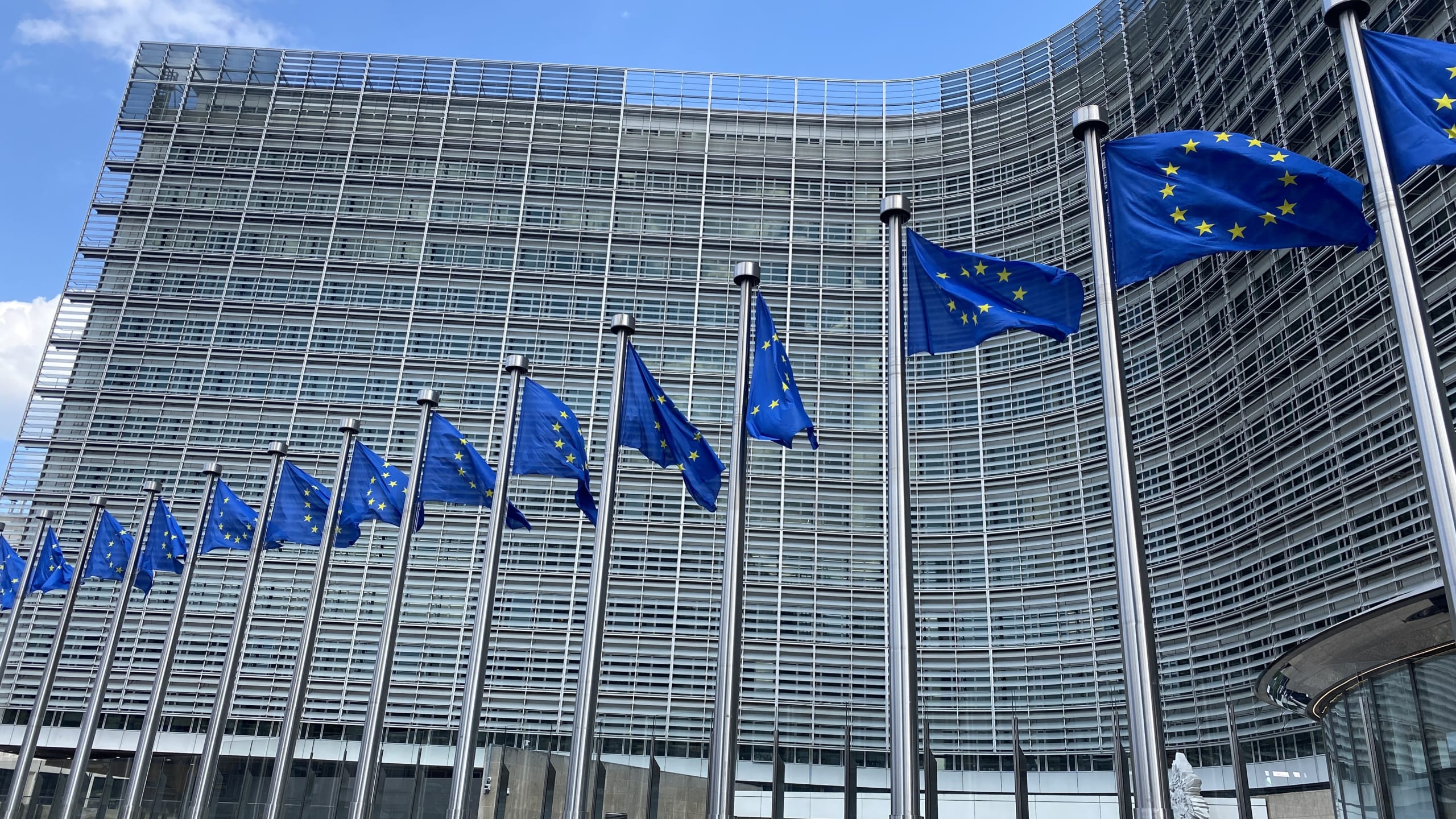
The European Union’sCritical Raw Material Actlaid out several ambitious goals to improve the resilience of its critical mineral supply chains.
Included in the Actare non-binding goals that theEUbuilds out sufficient mining capacity that 10% of its critical mineral demands can be met by bloc mines. Similarlythe Actsets out a target of 40% of demand to be met by processing within the bloc and25% to be met through recycling.
The Act provides a framework through which EU strategic projects that help to achieve these goals can be accelerated through the permitting process and have easier access to finance.
Several months since the Act passed in May 2024,Benchmark analysisshows the scale of the challenge the EU hopes to surmount. With the exception ofnickel mining, none of the battery minerals deemed strategic by the EU are on track to meet these goals.
The graphic below compares the EU-based supply of several critical battery minerals with the targets set out by the CRMA.

The Act considers critical minerals in aggregate, so strong supply of one critical mineral can compensate for poor supply of another.
Although there is no EU mined supply of manganese ore, the EU does have some capacity to producehigh purity manganese sulphate.
Of the three goals in the Act pertaining to localised supply, recycling is the furthest away from the goal. However,Benchmark analysishas shown that the 2030 pipeline for recycling projects has already been boosted by the CRMA.
Benchmark Week will return to Los Angeles on 12-14 November 2024, bringing global industry leaders, financiers and government officials together to chart a course for the technologies and supply chains central to the energy transition.
Join us at Benchmark Week to forge connections, identify future partners and unlock market opportunities.
View the agenda and secure your tickethere.
 >
>  >
>  >
>  >
>  >
>  >
>  >
>  >
>