Argentina’s copper developments accelerate under new incentive regime

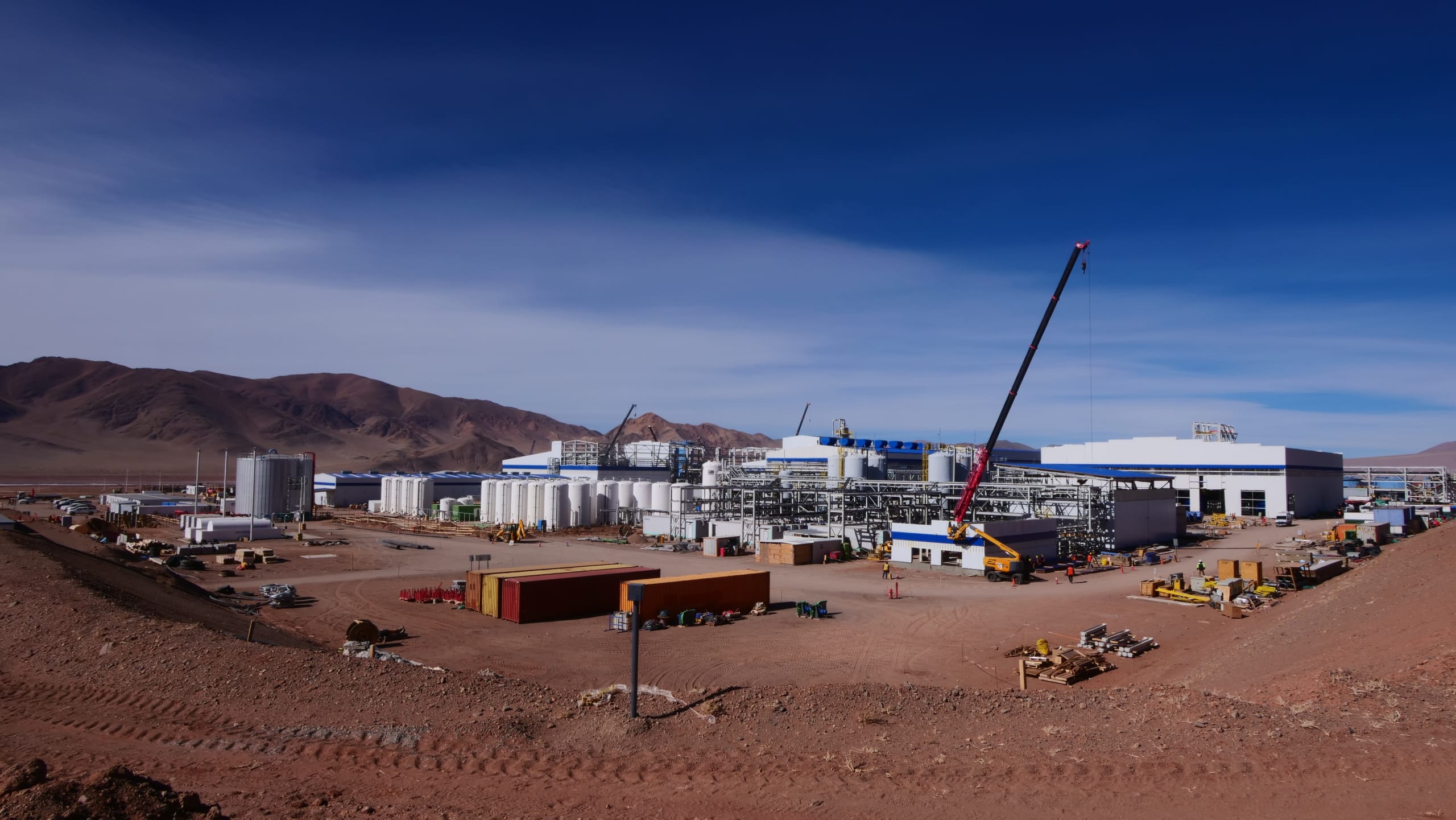
Argentina has the potential to be one of the fastest-growing sources of new copper supply in the coming decade, according to the Benchmark Copper Service. Like in neighbouring Chile – the world’s largest producer by output – the Andes mountains host a rich copper mineralogy that offers the country a significant opportunity to develop new resources. These prospects are attracting interest from mining majors such as BHP, Glencore, and First Quantum.
Last week, Glencore applied for the inclusion of its projects El Pachón and Agua Rica (the Mara Project) intoArgentina’s new Large Investment Incentive Regime (RIGI), which offers a range of tax breaks, customs, legal, and foreign exchange benefits to companies making large-scale investments (>$200m) in extractive industries.
Approval under RIGI would mean the projects pay corporate tax of 25%, against the standard 35% rate, while also protecting them from any new taxes introduced in the next 30 years.
According to the Benchmark Copper Service, Argentina could produce nearly 1.2Mt of copper annually by 2035, should its pipeline of new projects come to fruition. Key developments include Glencore’s El Pachón (280kt), First Quantum’s Taca-Taca (213kt), and the BHP/Lundin-backed Distrito Vicuña (193kt).
How is Argentina’s project pipeline progressing?
Although none of these projects are yet operational, Argentina’s newly introduced incentive regime is accelerating capital inflows into the country’s mining sector, asshown by the deal between BHP and Lundinto jointly advance the Vicuña District.
Argentina has historically been viewed as a difficult jurisdiction for mining investment with a reputation for economic instability and challenging business conditions, related to a complicated tax regime and exchange rates
However, this perception is now beginning to change. In 2023, San Juan province – home to the El Pachón, Distrito Vicuña, Los Azules, and Altar projects – ranked 34 out of 86 in the Fraser Institute’s Policy Perception Index, a composite indicator included within the annual mining survey that measures the opinions of mining executives on the quality and impact of government policies affecting mineral exploration investment. By 2024, San Juan has risen to 11 out of 82.
Benchmark anticipates a global supply gap of over 8Mt of mined copper by 2035. Although Argentina’s output would cover only a fraction of this shortfall, new supply would still enter the market at a time when global demand for copper is high. Four of the 12 largest greenfield projects set to be in production by 2035 are located in Argentina.
To learn more about Benchmark’s copper market coverage fill out the form below.
 >
>  >
>  >
>  >
>  >
>  >
>  >
>  >
>