Africa’s critical mineral production poised for rapid growth
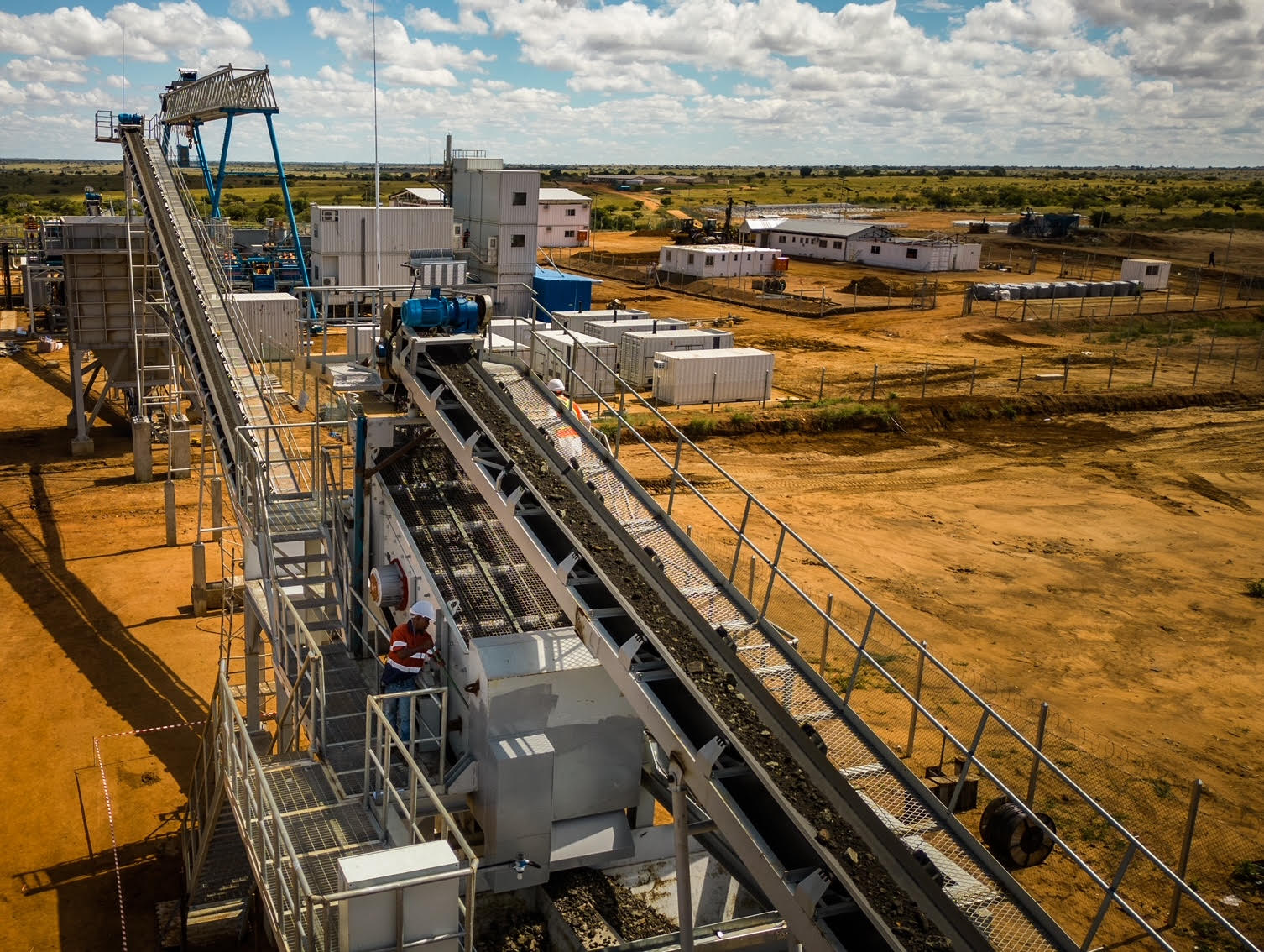
Africa’s mined lithium productionoutput is set to increase more than ten-fold this decade, according toBenchmark’s Lithium Forecast, potentially representing 12% of global supply.
This will increase the region’s strength in the supply of critical minerals beyond cobalt, which the continent has historically dominated.
China has invested heavily across Africato help secure access to its critical mineral deposits, potentially putting Western countries on the back foot when it comes to operating in the region.
A total of 83% of forecast lithium supply is set to come from projects with some form of Chinese involvement, according to Benchmark.
That’s led to calls for Western mining companies to increase investments in Africa, in order to ensure supplies of minerals for US and European markets.
“If the West wants to guard their own sustainability and not be overly dependent on the Eastern world, they are going to have to embrace Africa,” Neal Froneman, chief executive ofSibanye Stillwater, said at the London Indaba, an African mining conference, last week.

Africa’s role in the future of critical minerals
Of the critical battery minerals, cobalt is the one which Africa captures the largest share of the upstream mining.Benchmark’s Cobalt Forecastshows that 75% of mined cobalt comes from the continent, with thevast majority of this coming from the DRC.
AlthoughIndonesian cobalt will eat into this market share, the region will maintain a strong 69% of the market in 2030.
Africa has rich flake graphite reserves, too, and is expected to grow production from 19% of global supply this year to 39% in 2030, according toBenchmark’s Natural Graphite Forecast.
Ingraphite, unlike cobalt and lithium, non-Chinese companies are the dominant investors on the continent.
In lithium, Benchmark’s Lithium Forecast shows that the region is expected to account for just 4% of global mined lithium supply this year. However, by 2033 its market share is forecast to triple to 12% of global supply.
Sinomine’s Bikita project in Zimbabwe started operations this year, giving it a forecasted 15kt LCE of output in 2023, increasing to 40kt LCE by 2025.
Capturing the value add
Some African countries want to increase the amount of value they extract from these minerals before they get exported.Namibia recently banned exportsof non-beneficiated ores of critical minerals including lithium following in the footsteps ofZimbabwe who passed similar legislationin December last year.
Last month, Namibia banned the export of unprocessed lithium, cobalt, manganese, graphite and rare earth minerals.
“This prohibition applies strictly to unprocessed critical minerals. Value should be added at least up to the concentrate, carbonate/hydroxide level,” Andreas Simon, a spokesperson for Namibia’s Ministry of Mines and Energy, said.
Northern Graphite, a Canadian graphite producer operating in Namibia, processes graphite mined at its Okanjande facility into a graphite concentrate. Its chief executive Hugues Jacquemin said that Namibian export ban “should have no bearing on our plans to mine and process graphite bearing resources into concentrate” at their facility.
Playing with fire
However, such bans may contravene World Trade Organisation rules, Peter Leon, a partner and Global Africa chair at international law firm Herbert Smith Freehills, said at the Indaba.
Leon warned attendees of the Indaba that export bans may contravene legislation set by the World Trade Organisation, specifically the rules regarding quantitative restrictions laid out inArticle XI of the General Agreement on Tariffs and Trade.
The first paragraph of the Article states that countries cannot prohibit or restrict a product except through “duties, taxes or other charges”.
“When you combine the export ban with domestic processing, you are really playing with fire,” Leon said at the London Indaba.
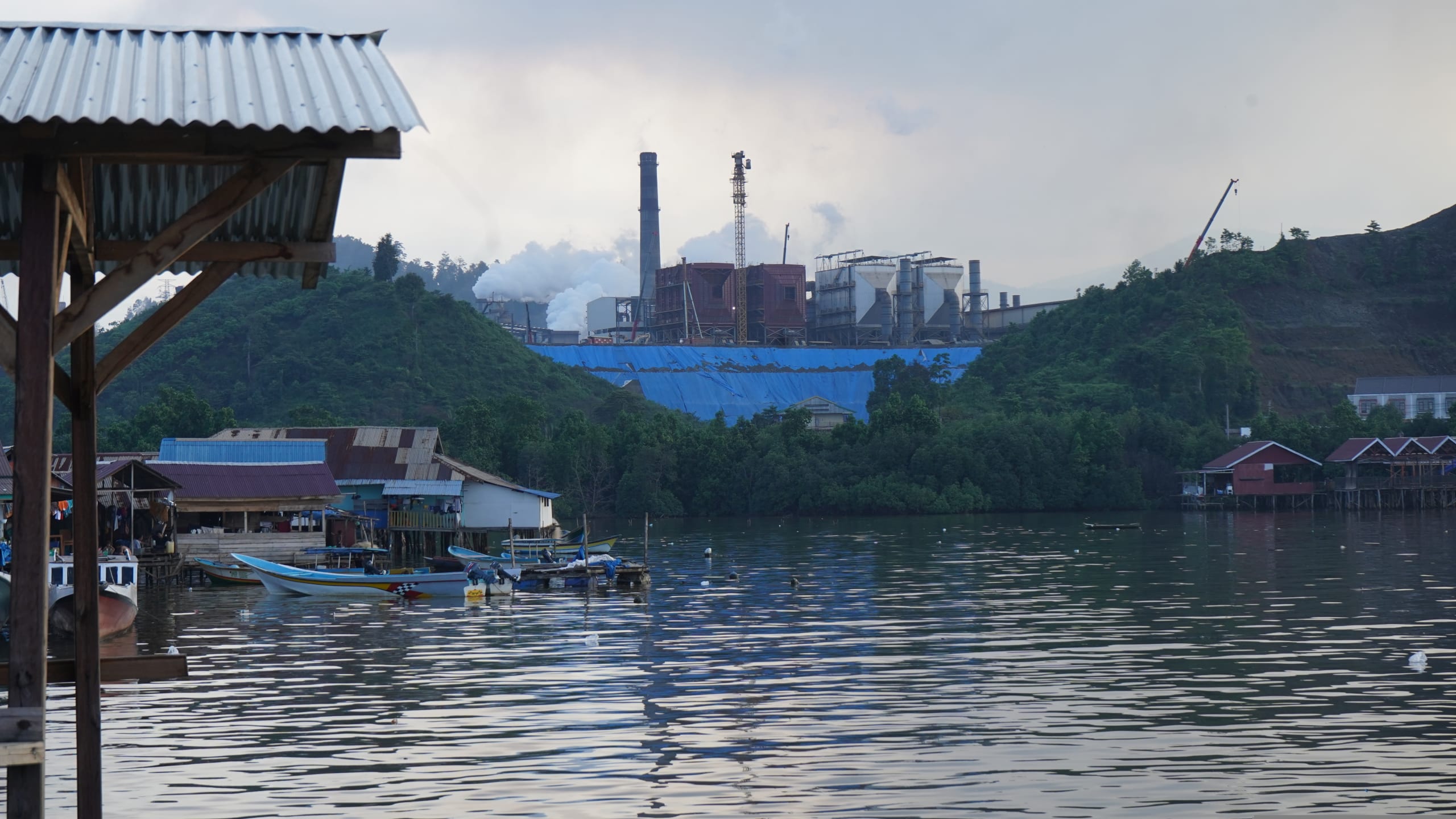
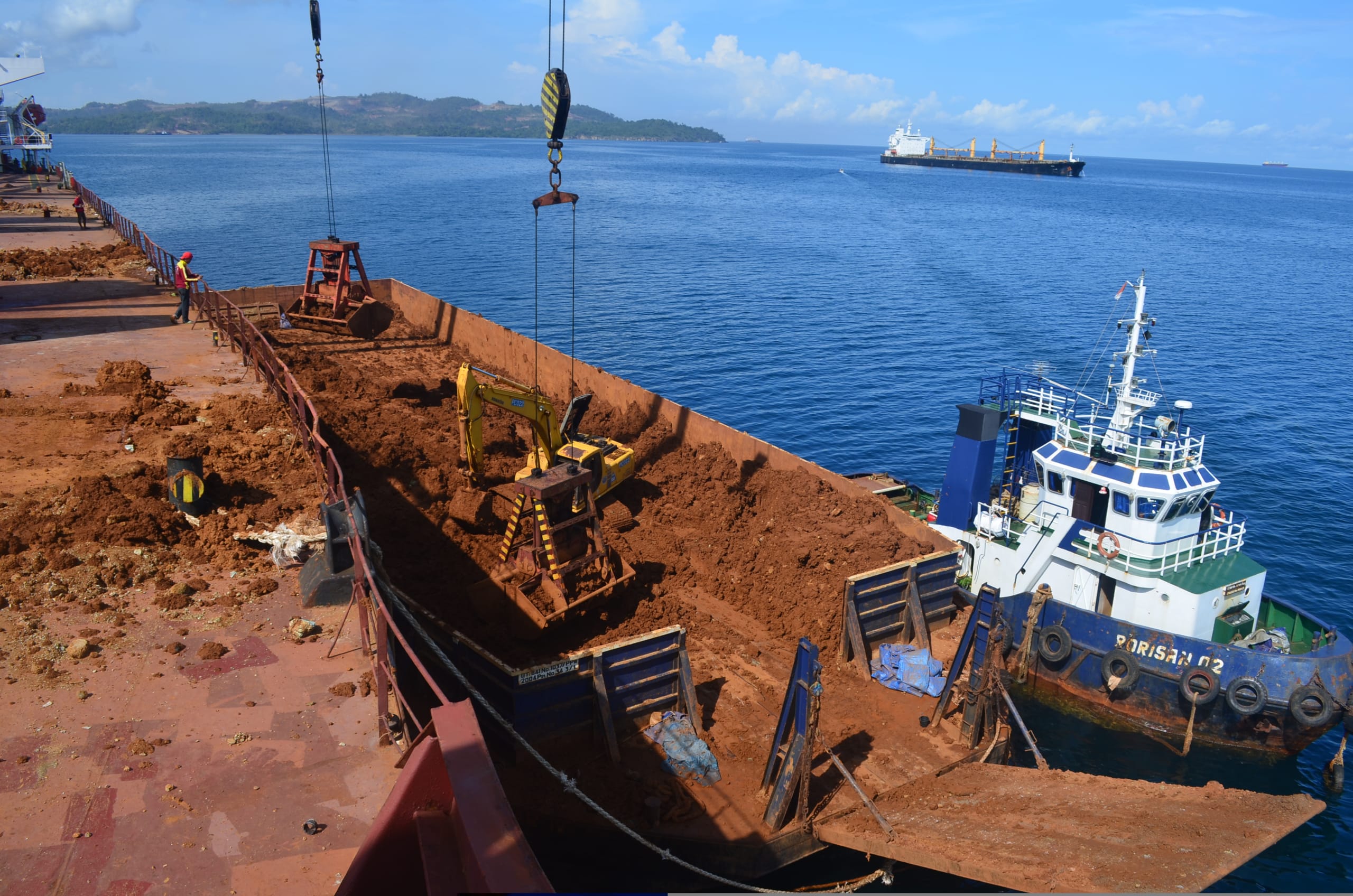
In December 2020, Indonesia banned the export of nickel ore.
However, the European Union filed a complaint against the country with the WTO saying the export ban went against several articles including Article XI and risked its stainless steel industry.
In November 2022, the WTO ruled in the EU’s favour, though Indonesia has appealed. However as the Appellate Board is currently non-operational both parties have agreed that the appeal process will begin once the board resumes operation.
Such a ruling could set a precedent for appeals against Namibia and Zimbabwe, though the non-functional nature of the appeals process could complicate matters.
The challenge of moving up the value chain
Despite Africa’s growing presence in the mining of critical raw materials, it remains a bit player in the value chain further downstream. The continent is forecast by Benchmark to produce just 0.1% of lithium chemicals in 2030 and 0.2% of spherical graphite.
Africa has a greater share of the refining of cobalt than the other critical minerals, but even so, is forecast by Benchmark to capture just 4.9% of this market in 2030 despite 69% of mined cobalt coming from the continent in that year.
This article is an example of the regular analysis provided on Benchmark Source.
Please fill in the form below to request a free trial of Benchmark Source to experience the service:
 >
>  >
>  >
>  >
>  >
>  >
>  >
>  >
>