Sovereign Wealth Funds support the Middle East’s pivot to clean energy supply chains
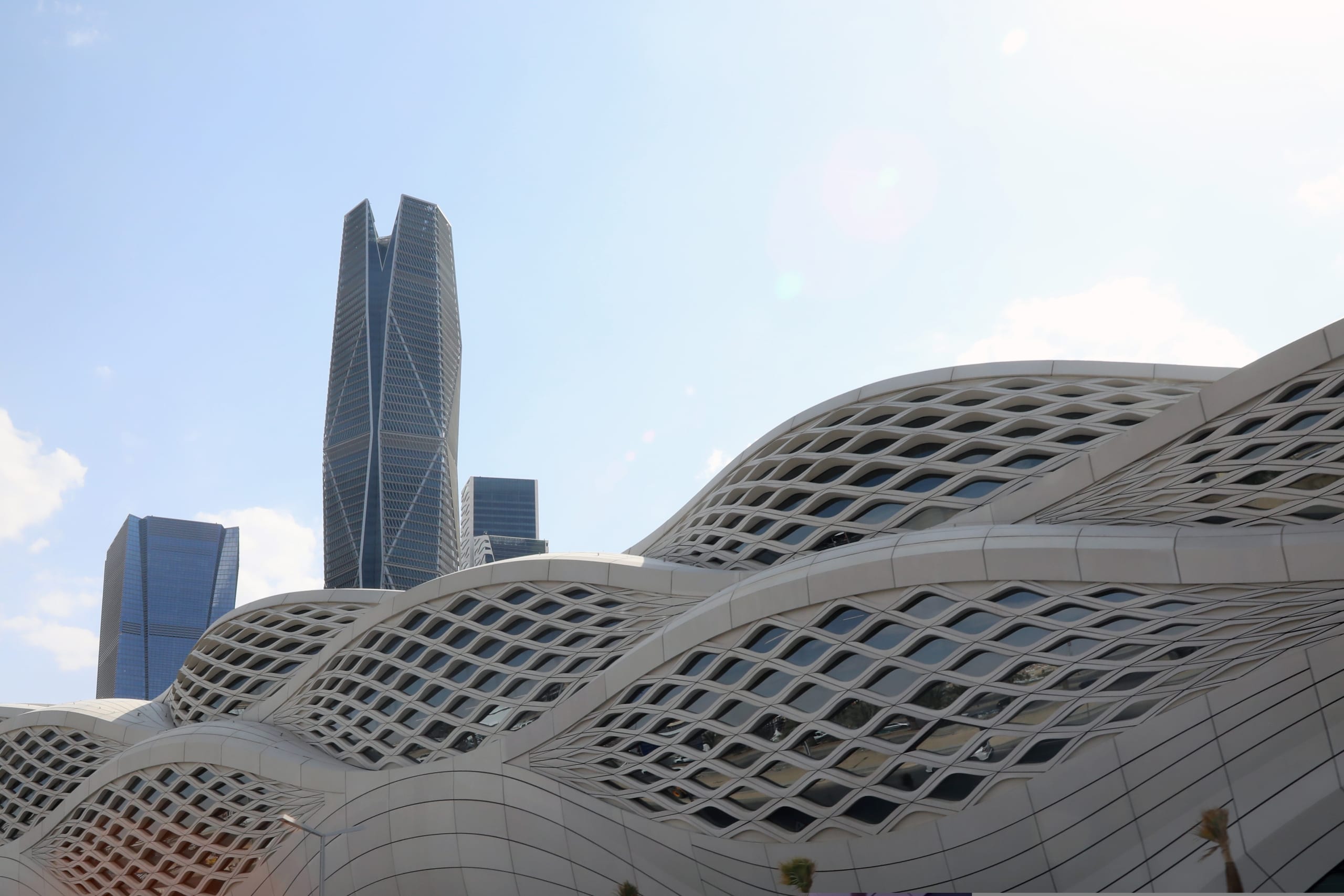
Middle Eastern countries, especially the Gulf states, are beginning topivot their economies away from oiland towards clean energy supply chains.
Assisting in this transition are the region’s Sovereign Wealth Funds (SWFs) which are increasingly investing incritical mineralsanddownstream energy transitionprojects.
SWFs in the Middle East and North Africa (MENA) region manage over $5 trillion of assets with those based in Saudi Arabia and the United Arab Emirates accounting for two-thirds of this.
Which funds are investing in the energy transition?
Many Middle Eastern SWFs have invested in critical mineral and energy transition projects both domestically and internationally.
For example,Saudi Arabia’sPublic Investment Fund (PIF) is a majority shareholder of US-based Lucid Motors having invested $1 billion into the automaker. Manara Minerals, a JV between PIF and Ma’aden which invests in global mining assets in emerging markets,invested $2.5 billion for a 10% stake in Vale Base Metals.
The Qatar Investment Authority (QIA) is the largest institutional investor in the global mining company Glencore and invested $180 million in TechMet, a US/Ireland company which invests in critical mineral projects around the world.
Technology developers have also attracted SWF capital. Ascend Elements received investment from both QIA and Oman’s SWF, the OMan Investment Authority (OIA). QIA also invested in solid-state innovator QuantumScape and OIA has invested in silicon anode developer Group14.

Why are Middle Eastern SWFs investing in global energy transition projects?
Gulf State economies derive much of their GDP from oil revenues. For Saudi Arabia, hydrocarbon contributions account for almost half its GDP.
But as the global energy transition continues apace, there is a growing need for these countries to diversify their economies away from oil.
“Access to critical minerals is a matter of national security and that, in part, explains the involvement of Sovereign Wealth Funds,” Jim Rutherford, director at Manara Minerals, said at the London Indaba in June. “These [Middle Eastern] countries are thinking of life beyond oil.”
The size of the Middle East’s SWFs allows them to make long term investments in regions that many Western companies are more wary of investing in, such asmineral rich African countries.
“Certainly the equity markets, I think especially traditionally those based in London, who’ve invested in the African mineral space have dried up to an extent,”Brian Menell, CEO of TechMet, said at the Indaba. “I think that there are certainly new pockets of capital that are coming to the market. The Middle East, for example, has been incredibly active in this space and incredibly active across Africa.”
Learn more about the Middle East and North Africa’s pivot towards the energy transition space in ourfree-to-read Special Issue, Beyond Oil.
And, to learn more about the role of Africa in the space, sign up for the inauguralBenchmark Giga Africaevent taking place in Morocco 22–24 September 2025.
 >
>  >
>  >
>  >
>  >
>  >
>  >
>  >
>