LME copper three month price climbs to record high

Reports that the US and China were close to reaching an agreement on trade sparked a copper price rally on 29 October that saw the LME forward curve climb to record highs.
The prospect of an imminent easing in trade tensions between the world’s two largest economies buoyed sentiment in the copper market on Wednesday, leading three-month copper prices to break $11,200/t, surpassing the previous record of $11,104.5/t set in May 2024.
However, the foundations of the rally had been laid in the preceding weeks and months; a series of supply-side disruptions during this period led expectations for the copper market balance this year and next to be downgraded substantially.
Supply disruptions mount
The past few months have seen a series of disruptions at major copper mines across the world. Grasberg, Kamoa Kakula, and El Teniente – three of the ten largest copper mines globally – have each faced significant issues that have altered the supply outlook for 2025 and 2026.
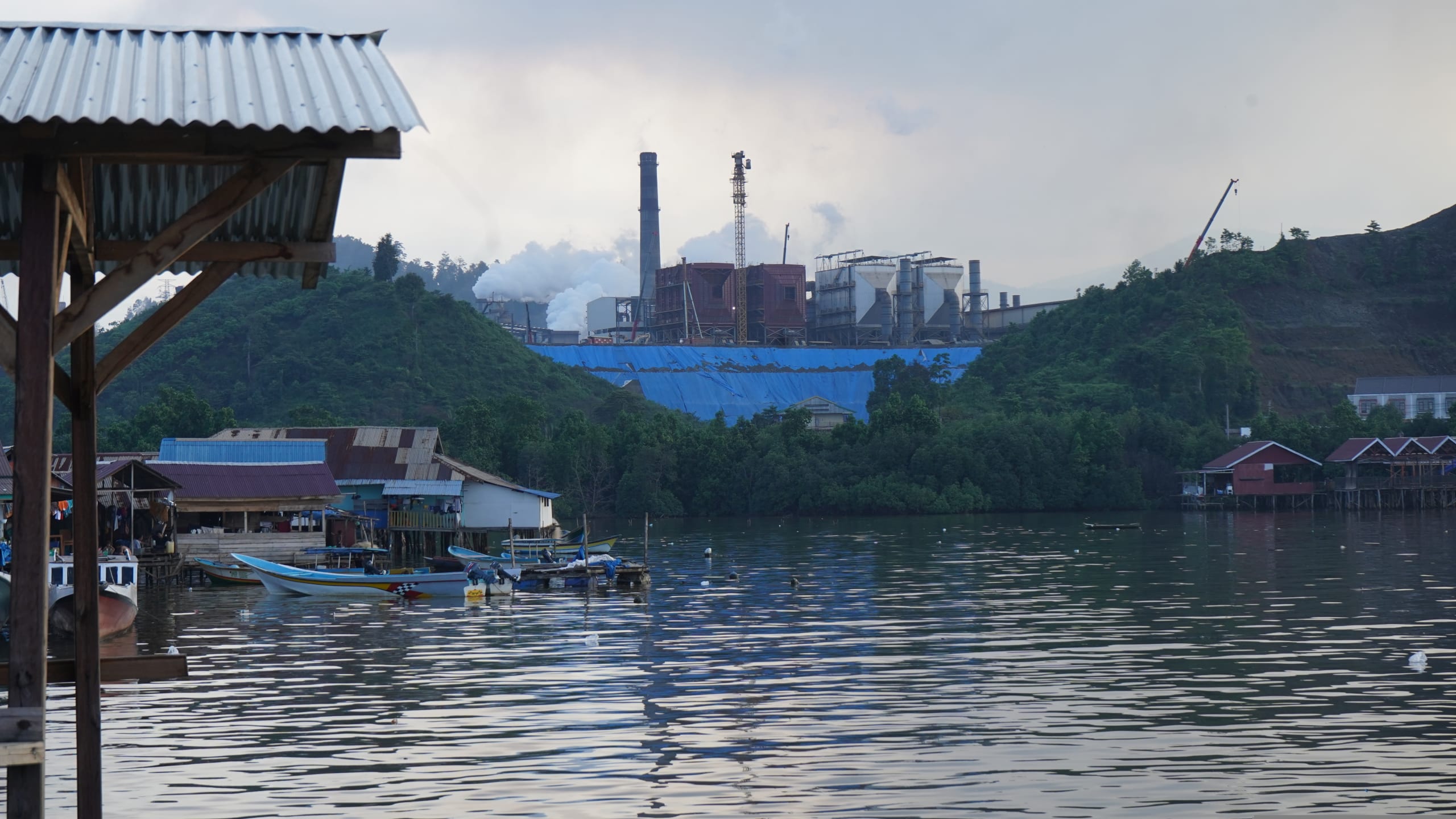
A major incident at Freeport McMoRan’s Grasberg mine in Indonesia has been the most notable disruption, with the mine expected to lose close to 600kt of output between now and the end of next year. This production loss exceeds the annual output of many of the world’s largest mines.
Grasberg is not the only major mine facing issues. Disruptions at the Kamoa Kakula mine in the Democratic Republic of the Congo (DRC) are expected to remove a further ~300kt of copper supply across 2025–26.
These losses have been compounded by issues at Codelco’s El Teniente in Chile, resulting in the company posting its lowest monthly production in 20 years in August. Less notable disruptions, such as Teck’s downgrade to QB2’s guidance, have added to broader supply concerns.
The cumulative impact of these disruptions has helped keep the LME copper price elevated – though apprehension about demand has prevented prices from rising too aggressively, even as the CME price has increased more significantly than those in London.
LME/CME arb fuels artificial tightness
One of the copper market’s defining stories in 2025 has been the broad arbitrage between the LME and CME copper contracts, caused by the threat of US tariffs on copper cathode imports. This spread reached a high of more than $2,500/t early in 2025.
The massive influx of material into the US – to take advantage of this arbitrage opportunity – has created artificial tightness in copper stocks elsewhere, increasing premiums in Europe and other regions.
Benchmark calculates that almost 900kt of excess copper has headed to the US and is now “economically locked” in the US by the still broad arbitrage. This represents roughly 2% of global copper demand and has supported LME prices as stocks have been drawn down.
Another consideration is the origin of available stocks. The diversion of LME stocks to the US market has left Chinese- and Russian-origin material dominating LME warehouses, where stock is broadly low. Indeed, LME stocks in Europe are now predominantly of Russian origin, which is largely subject to self-sanctioning by European consumers.
Low stock levels have left the market vulnerable to increased price volatility in the face of acute supply disruption or unexpected tightness, particularly in Europe.
Speculation increases
The global energy transition, buildout of AI infrastructure, and broader electrification trends are expected to accelerate copper demand growth over the coming years. This is fuelling a bullish demand-side narrative that is supporting prices. Yet, widespread market scepticism remains over whether current fundamentals justify record highs.
Market sources note that financial investors have played an outsized role in driving prices upwards.
“Macro sentiment is more based on hope than anything else,” said one market source, noting that the US–China trade deal was not yet finalised and that recent gains may be reversed. The source added that the market was being moved by “financials ahead of fundamentals.”
This view is shared by others, who remarked that a significant amount of “tourist money” – investment from funds rather than physical market participants – is currently flowing into the copper market and potentially pushing prices beyond levels supported by fundamentals.
Although supply-side disruptions are significant, physical market players remain more cautious than financial investors.
“There is a lot of dumb money flowing into the copper space at the moment,” said one trader, adding that “disruptions and increased headlines” have drawn more fund money into the market.
Other sources said renewed interest in commodities, alongside the recent uptick in gold, had also contributed to the increase in copper prices.
“Money has been mincing in from gold,” said the trader.
To learn more about Benchmark’s copper market coverage please fill out the form below.
 >
>  >
>  >
>  >
>  >
>  >
>  >
>