How lithium ion batteries keep getting cheaper

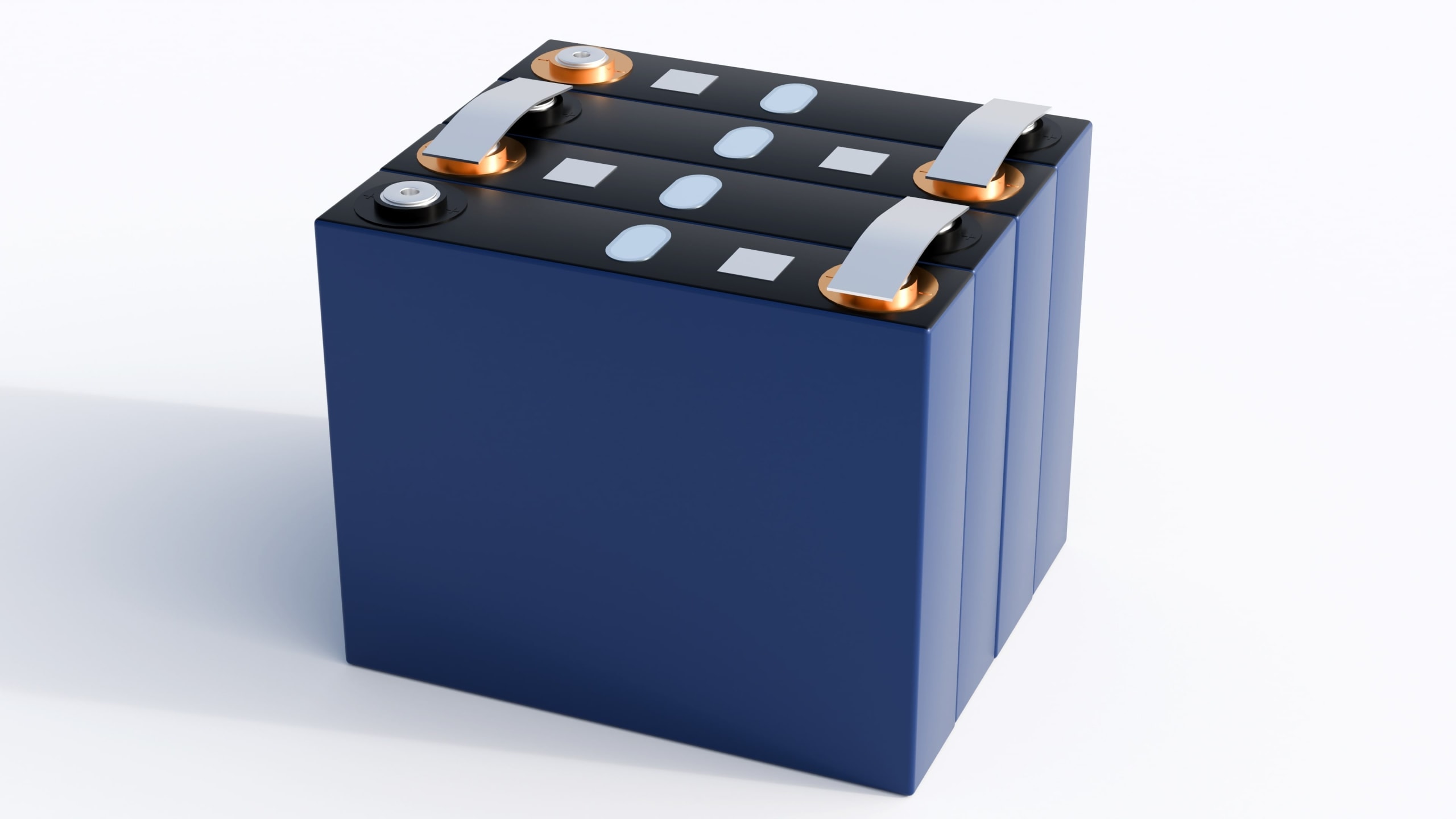
Lithium ion batteries are a business of scale.
Cell prices have fallen 73% since 2014, as higher production volumes, technological advancements, and falling raw material costs have allowed battery makers to achieve significant cost savings in the manufacturing process.
Since 2014, there has been a rapid expansion of cell manufacturing capacity around the world, backed by accelerating electric vehicle deployment rates and the introduction of supportive policy regimes in China, Europe, and North America. The cost advantages of large-scale cell production saw prices drop consistently to $100 per kilowatt-hour (kWh) for the first time in 2021, the point at which EVs approach cost parity with internal combustion engine (ICE) vehicles.
The downtrend did experience a brief reversal in fortunes, recording the first year-on-year increase in 2022, as lithium prices underwent a record-breaking rally. As economies of scale are achieved, cell production costs have become increasingly exposed to battery raw material price volatility.
The battery industry entered the terawatt hour era in 2023, with Benchmark tracking 237 operational gigafactories. The prevailing low price environment for battery mineral prices has corresponded to cell prices falling to their lowest recorded levels in 2024 – averaging $78/kWh.
 >
>  >
>  >
>  >
>  >
>  >
>  >
>  >
>