Africa sees largest lithium supply growth of any region in 2025
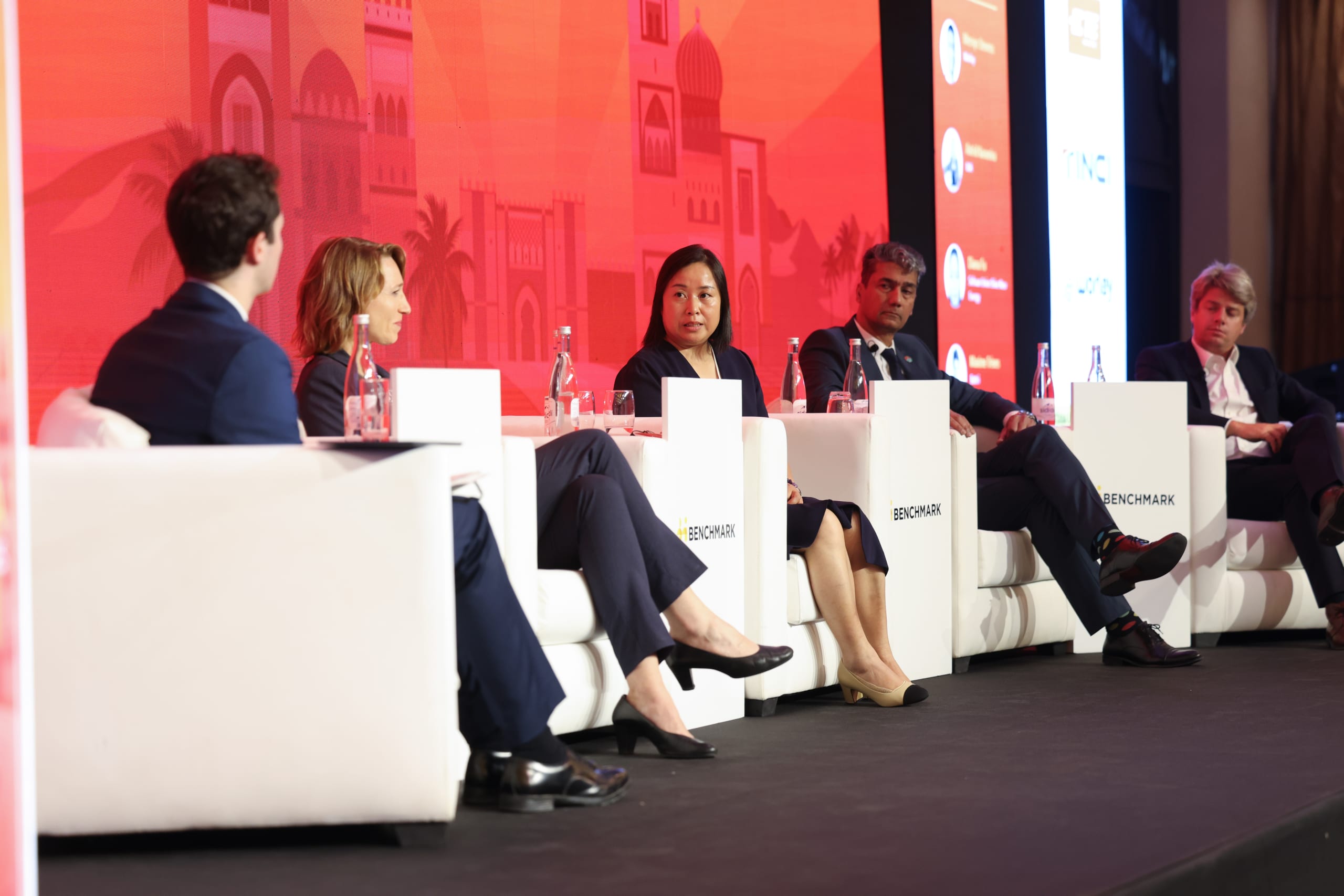
Africa is the largest source of new lithium supply in 2025 with newsupply from the regionexceeding that of the rest of the world combined, Adam Megginson, a lithium analyst at Benchmark, told attendees at the Giga Africa event in Marrakech, Morocco this week.
The bulk of this new supply comes fromZimbabweandMali, though South Africa and Nigeria are also notable contributors.
However, the key challenge for African countries is capturing a greater share of the value chain by processing more of the raw minerals domestically. Several African nations have taken steps to ban unprocessed ores from beingexported, withZimbabwe being the first in 2022and Namibia following suit in 2023.
“The justification is clear, it captured more of the added value in the country,” Megginson said. “But the side effect is that it has raised the capex requirement for projects in both countries.”
Capturing the value chain
Zimbabwe’s Secretary for the Ministry of Mines and Mining Development, Pfungwa Kunaka, explained that although the country currently processes lithium up to the concentrate stage, the next step is to reach the sulphate level domestically.
“I know this is still a level which is far away from getting us to battery manufacturing. But for us, we view that as a good start,” Kunaka told Giga Africa attendees. “What we need to address as a country is the infrastructure for producing lithium batteries.”

Secretary for the Ministry of Mines and Mining Development in Zimbabwe, Pfungwa Kunaka, speaking at Giga Africa about why to invest in Africa. Photo credit: Jens Reiterer
Downstream participants also see benefits in Africa capturing more of the value chain across the critical mineral space, not just for lithium.
“The supply chain already has deep roots in Africa. What’s not yet rooted [is] the processing of materials” said Mujeeb Ijaz, founder ofOur Next Energy. “Vertical integration of supply chains and compressing margins is the way forward.”
Challenges in Africa
A challenge often facing miners, chemical producers and manufacturers in Africa is infrastructure.
Xiaoshen Wang, CEO and Vice Chairman ofGanfeng Lithium, told delegates that itsGoulamina mine in Mali, “is not an easy project, the power supply is tight” and that “diesel in Mali is very expensive.”
As such, Ganfeng is looking to electrify the mine, replacing diesel trucks and generators with electricity from renewable sources. Wang says this will both reduce costs and improve emissions.

Xiaoshen Wang (Ganfeng Lithium) presenting at Giga Africa. Photo credit: Jens Reiterer
Key to this is the addition of solar power generation on site, a sentiment echoed by Mervyn Stevens of engineering, procurement, and construction specialist Worley.
“Wherever cogeneration is an option, that is a key one [to bring costs down],” Stevens said.
The availability of reagents is also a potential bottleneck for African projects, so generating these on site can alleviate this problem and bring other benefits.
“Our suggestion is to construct and manage the sulphuric acid plant,” Diana Fu, Chief Marketing Officer at Sichuan Union Shine New Energy, told attendees. “Because when you are operating to produce a lithium carbonate or lithium hydroxide site, then you need to use the sulphuric acid right at the same time, and the waste heat can be useful for the electricity power generation.”
The global context
Australia, the largest producer of hard rock lithium saw its mined lithium output fall in 2025 with mines placed intocare and maintenanceamidstfalling lithium pricesand short term oversupply.
Although 2025 has seen challenges for lithium miners, the broader demand picture is positive, with lithium demand from batteries increasing by around a quarter this year presenting ample opportunity for African countries to contribute.
As Adam Panayi, chief research officer at Benchmark, said at the event: “Find another commodity market with 25% growth in a bad year.”

Adam Panayi presenting at Giga Africa. Photo credit: Jens Reiterer
Benchmark’s Lithium Forecast has taken a major step forward with the addition of enhanced long-term pricing and project-specific incentive prices, providing a practical and actionable view of future supply costs.
A key feature of this price model is unparalleled coverage of emerging opportunities and projects in regions such asNigeria, South Africa, and Namibia.
Utilise Benchmark’s Lithium Forecast to stay at the forefront of Africa’s lithium surge. Submit your details below to request more information from our team.
 >
>  >
>  >
>  >
>  >
>  >
>  >
>  >
>